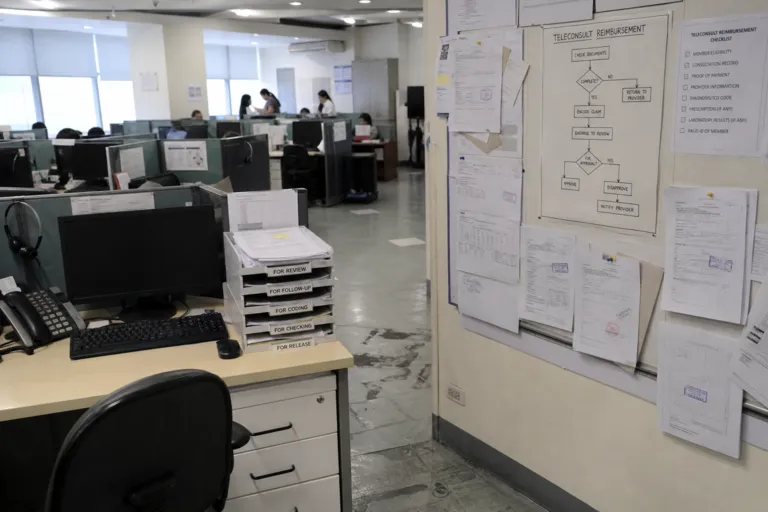
Telehealth insurance coverage in the Philippines is becoming more concrete as reimbursement and benefit design catch up with how patients already use remote care. PhilHealth Circular 2021-0013 formalized reimbursement for telemedicine services, meaning accredited providers could claim payment for remote consultations the same way they would for in-person visits. That change repositions teleconsults from a purely out-of-pocket convenience into a service that can sit inside the country’s insurance infrastructure. In parallel, the Department of Health (DOH) issued Administrative Order 2020-0013 to publish the first formal guidelines for telemedicine in the Philippines, helping define how virtual care should be delivered.
Utilization patterns show why reimbursement matters. During the initial lockdown period, KonsultaMD reported usage increasing by over 400%. The same source describes how, within months of the DOH guidance, platforms reported consultation volumes surging by hundreds of percent, signaling that demand can scale quickly when access barriers drop. Market research also frames teleconsultation as a practical “front door” to care because it requires minimal hardware beyond smartphones, and it supports common use cases like low-acuity concerns, refills, triage, and follow-ups. The combination of policy signal and real-world demand strengthens the business case for insurers and employers to treat virtual care as a standard benefit.
From Out-of-Pocket Visits to Covered Virtual-First Pathways
Benefit structure is already shifting toward coverage-linked access. Nexdigm’s teleconsultation market segmentation by payment model describes HMO-covered and employer-paid access as the combined dominant model, with HMO slightly ahead. The report adds that coverage-linked usage grows faster because it reduces price sensitivity and encourages earlier consults rather than delayed care. It also notes that HMOs and large employers increasingly position teleconsults as a first line of care for non-emergent symptoms, triaging cases and routing members to in-person care only when needed. This is where Telehealth Insurance Coverage Philippines becomes tangible: reimbursement and coverage are not just financial tools, but operational levers for navigation and continuity.
Delivery design supports these reimbursement models. Nexdigm reports that app-first delivery leads because it compresses booking, queueing, video consults, e-prescription storage, and follow-ups into one interface, and it supports bundling such as medicine delivery, lab coordination, and mental health consults. Another Nexdigm view of the broader telehealth services market says app/web platforms dominate over call-center-only models because they support richer workflows like identity verification, structured intake, documentation, payment, e-prescriptions, and asynchronous chat. These features make it easier for HMOs and corporate payers to manage utilization and implement covered pathways at scale instead of paying for one-off calls.
However, coverage growth still sits alongside practical constraints. Nexdigm’s virtual consultations market notes regulatory gaps that can create uncertainty, including licensure requirements, quality assurance, and reimbursement policies, and it warns that inconsistent regulations across regions can complicate national-scale operations. The same source highlights limited internet penetration in rural areas, data security concerns, and broader regulatory uncertainty as continuing challenges. Even so, multiple sources describe accelerating investment and infrastructure expansion that can widen the reach of reimbursed care. Mobility Foresights projects the Philippines digital health and remote patient monitoring market to grow around USD 3.6 billion by 2032 at a CAGR of 13.2%, and it adds that reimbursement support for remote patient monitoring services is improving, reinforcing a longer-term move toward connected virtual-first models.
Are teleconsultations reimbursable under PhilHealth in the Philippines?
What policy guidance shaped telemedicine practice in the Philippines?
How are HMOs and employers using teleconsultation benefits?
What does Telehealth Insurance Coverage Philippines mean in practice for patients?
What growth outlook is cited for digital health and remote monitoring in the Philippines?