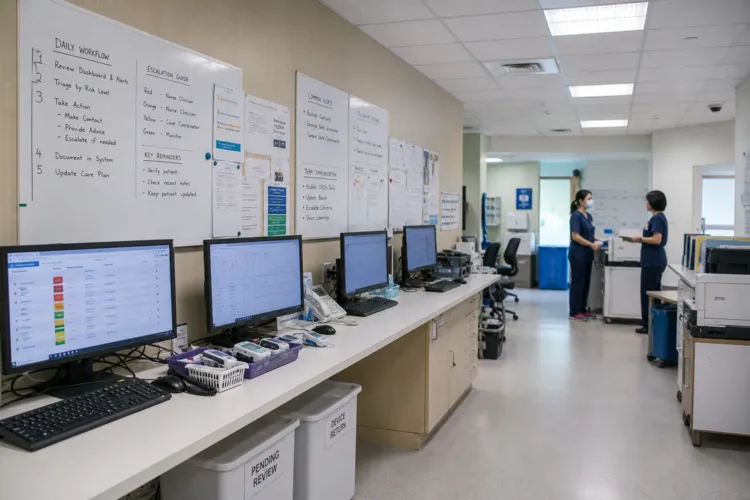
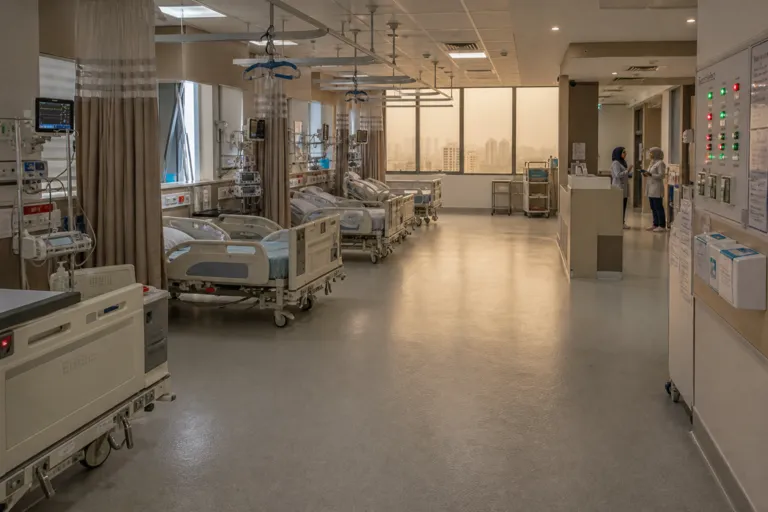
Smart Ward Automation Malaysia is increasingly discussed as hospitals look for more connected, patient-centric inpatient care. A visible local milestone arrived in November 2024, when Mahkota Medical Centre in Malacca launched what sources describe as Malaysia’s first Next-Gen Smart Ward. The ward is described as combining Internet of Things-enabled devices, real-time monitoring, automation, and integrated communication systems. This kind of setup matters in daily ward operations, because it links patient status, staff alerts, and in-room devices into a more continuous flow of information rather than fragmented checks and manual updates.
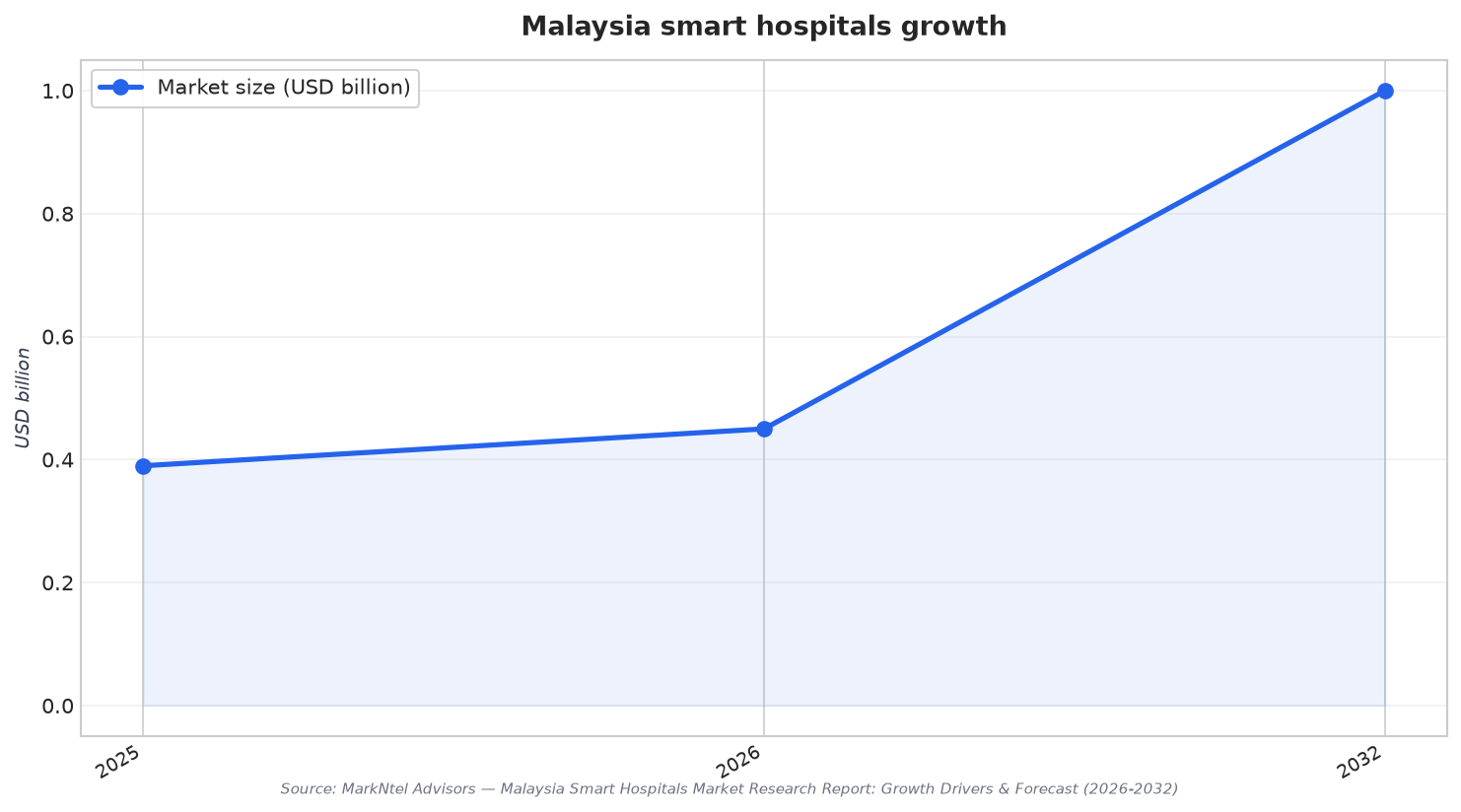
Demand pressure also helps explain why ward automation is getting attention. A Malaysia smart hospitals market report points to high utilization in parts of the country, citing the Malaysian Ministry of Health hospital utilization dashboard. It states Perlis recorded hospital bed utilization of about 83.1%, while Kedah reported approximately 78.9%, among the highest occupancy rates in the country. In that context, smart systems are framed as a way to improve patient flow management and operational management. The same report sizes the Malaysia Smart Hospitals market at about USD 0.39 billion in 2025, rising to USD 0.45 billion in 2026 and projected to reach USD 1.0 billion by 2032, at a projected CAGR of 14.23% from 2026 to 2032.
What Smart Ward Automation Looks Like Inside a Modern Ward
Smart wards are often described as integrated digital environments inside inpatient units. Global smart ward market analysis estimates hardware will hold the largest share at 63.5% in 2026, with patient monitoring & management projected to account for 33.4% of applications in 2026. It also expects the Internet of Things segment to lead by technology with a 37.2% share in 2026. Another smart ward market source describes how nurse call and patient communication systems combine traditional call stations with wireless architectures to move alerts and data across care teams. It also notes smart beds can include integrated pressure sensors and automated adjustments, while vital sign monitoring can span bedside consoles, body-worn modules, and adhesive patches—supporting more continuous surveillance.
Malaysia’s smart hospital trajectory also sits alongside broader network and system changes. One source notes that in October 2024 KPJ Healthcare Berhad introduced the KPJ Health System, described as Malaysia’s first integrated health system that combines patient care with education, research, and professional development. The same source adds that in November 2024 IHH Healthcare expanded its Malaysian portfolio through the acquisition of Island Hospital in Penang, with expectations to enhance IHH’s presence in Northern Malaysia while supporting integration and development of clinical services. These moves matter for connected inpatient care because automation performs best when it can plug into standardized workflows, cross-facility practices, and coordinated communication models.
For Malaysia, the commercial signals behind connected wards can also be read through market segmentation. In the Malaysia Smart Hospitals market, hardware represented about 42% share in 2026, while hospitals represented about 71% of end-user share in 2026. Named market players in that report include KPJ Healthcare Berhad, IHH Healthcare Berhad, Sunway Healthcare Group, Columbia Asia, Health Management International Ltd, Siemens Healthineers, Philips Healthcare, GE Healthcare, Cerner Corporation, Cisco Systems, TMC Life Sciences Berhad, and others. Globally, one smart ward market forecast estimates growth from USD 3.70 Bn in 2026 to USD 13.42 Bn by 2033, at a CAGR of 20.2% from 2026 to 2033, illustrating why vendors and providers keep investing in connected inpatient technology.
What is driving smart ward automation in Malaysia’s inpatient settings?
Which Malaysian hospital launched the country’s first Next-Gen Smart Ward, and when?
How big is the Malaysia Smart Hospitals market in the cited forecast?
In global smart ward market analysis, what segments lead in 2026?
Which types of ward technologies are commonly described as part of smart wards?