Healthcare cloud momentum in Singapore is no longer a niche IT story. It is becoming a security story. The Singapore healthcare cloud computing market was valued at USD 1,229.6 million in 2026 and is projected to reach USD 3,639.7 million by 2031, representing a CAGR of 24.2%. That growth rate is described as nearly 37% faster than the global average of 17.7% in the same source, reflecting intense local demand and digital transformation. As Healthcare Cloud Migration Singapore initiatives expand across data management and interoperability use cases, hospitals face a simple reality: moving clinical systems and data changes the attack surface and forces cybersecurity to modernize with it.
At the same time, Singapore’s cybersecurity market signals that healthcare is becoming a higher-growth security vertical. A Singapore cybersecurity outlook report notes healthcare spending is projected to grow at a 18.74% CAGR, and it links that demand to real operational digitalization: hospitals logged 4.3 million digital hospital visits in 2024, described as double the 2022 volume. The same report says medical-device vulnerability disclosures grew 28%, signaling proactive risk management as tele-ICUs proliferate. These trends pull security beyond classic perimeter defense toward identity, device protection, and controls that match cloud-connected workflows.
Cloud Adoption Pushes Hospitals Toward Cloud-First Security Controls
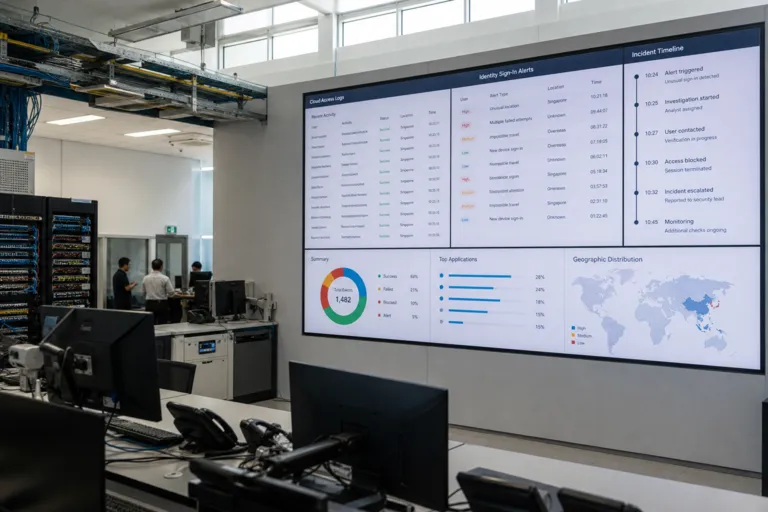
As migration continues, security spending is also rebalancing toward cloud delivery. In Singapore’s broader cybersecurity market, on-premises deployments retained 54.30% share in 2025, while cloud deployments are forecast to expand at a 16.93% CAGR through 2031. Inside hospitals, the push is practical: the same Singapore report highlights that cloud-native data-loss-prevention suites and secure-API gateways rise in priority as hospitals unify electronic medical records. Operational proof points are emerging, too. Farrer Park Hospital’s AI-powered SOC cut mean-time-to-respond to 12 minutes compared with a national average of 46 minutes, showing why faster detection and response is becoming a headline outcome, not just an IT metric.
Regional and global cybersecurity market signals reinforce why hospitals treat cloud migration as a security reset. In Asia Pacific, the healthcare cybersecurity market size was valued at USD 9 billion in 2025 and estimated at USD 12 billion in 2026, forecast to reach USD 52 billion by 2035, expanding at a 17.78% CAGR between 2026 and 2035. That analysis points to escalating ransomware attacks against hospital networks and tightening national cybersecurity mandates, including regulators in Singapore, and it notes an evolution from perimeter-focused defense into integrated cloud security and identity governance. Globally, another market view values healthcare cybersecurity at USD 31.90 billion in 2025, rising from USD 37.32 billion in 2026 to approximately USD 142.45 billion by 2035 at a 16.12% CAGR, with cloud security identified as a leading segment by share in 2025.
For hospitals, the takeaway is not that cloud equals less risk. It is that cloud migration forces different disciplines to come together, from identity controls to device security. Multiple sources underline that hospitals are a dominant end-user segment in healthcare cybersecurity: one market report states hospitals held 40.2% share in 2024, while another states the hospital segment held over 62.0% of revenue share in 2023. In Singapore, healthcare is designated as Critical Information Infrastructure under the Cybersecurity Act, according to an Asia Pacific analysis, which raises the stakes for resilience and compliance. In practice, Healthcare Cloud Migration Singapore is becoming the catalyst for cloud security, secure APIs, and incident response speed to move from “nice to have” to core hospital operations.
How is healthcare cloud migration in Singapore changing hospital cybersecurity priorities?
What local indicators show rising digital exposure for hospitals in Singapore?
What does incident response performance look like in a Singapore hospital example?
How fast is healthcare cybersecurity growing in Asia Pacific compared with global context?
Why does regulation matter for hospital security as cloud adoption rises?