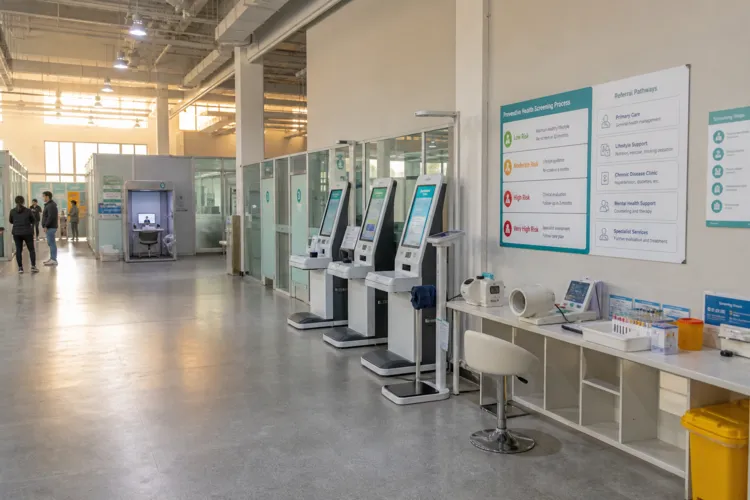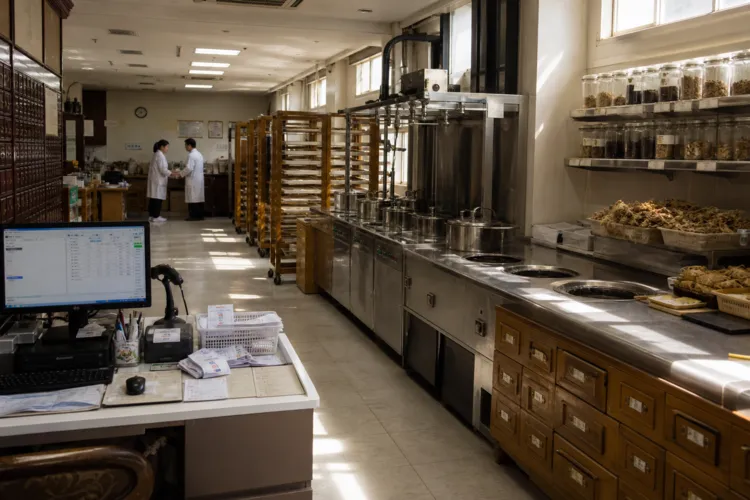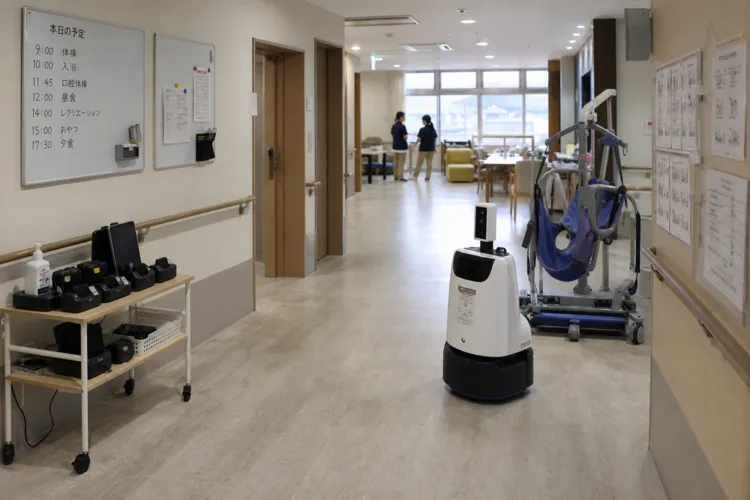

Indonesia’s health tourism agenda is moving from policy to implementation. The government has selected 18 hospitals for a pilot programme, with 15 in Greater Jakarta and three in Bali. A national health tourism catalogue is also expected by October 2026. Together, these steps give the Indonesia health tourism strategy a clear operating base, a defined group of providers, and a near-term market launch.
This matters because Indonesia is responding to a large existing demand gap. Around 2 million Indonesians reportedly travel abroad for medical treatment each year. About 1 million go to Malaysia, while around 750,000 seek care in Singapore. The estimated capital outflow linked to overseas treatment reaches Rp165 trillion. These figures show that the strategy is not trying to create a new market from zero. It is trying to retain patients, spending, and healthcare value that already leave the country.
The 18-hospital pilot therefore represents more than a tourism campaign. It is also a healthcare growth and capability-building initiative. By helping selected hospitals improve readiness, define stronger service propositions, and raise patient-centred standards, Indonesia can create a more credible domestic alternative for patients who currently look abroad.
Why Indonesia Needs a Stronger Domestic Care Offer
Patients may travel overseas for many reasons. Some seek specialist treatment, but others are influenced by service quality, confidence in diagnosis, communication, waiting times, care coordination, and the overall patient experience. This means stronger domestic care requires more than new medical equipment or promotional campaigns.
The pilot programme includes self-assessments for participating hospitals. These assessments are intended to measure readiness and support improvements in patient-centred care. Hospitals that qualify may receive promotion, training towards international standards, mentoring, and fiscal or non-fiscal incentives. This shows that the policy is designed around capability development as well as visibility.
The October 2026 catalogue can also help create a clearer market structure. Patients will be able to see which hospitals are participating and what services they offer. For hospitals, this creates pressure to define areas of strength, improve service consistency, and communicate a clearer value proposition.
This could encourage more focused investment. Rather than expanding broadly, hospitals may choose to build stronger specialties, improve international patient services, strengthen clinical pathways, and develop selected centres of excellence. The most credible growth opportunities are likely to come from services where Indonesia already has strong clinical capability and clear domestic demand.
Building an Integrated Health Tourism Ecosystem
Indonesia’s strategy also extends beyond hospitals. It includes collaboration with hotels, travel agencies, tour operators, transport providers, and insurance companies. This wider model reflects the full patient journey, not only the treatment itself.
Medical travellers often need support with appointments, travel planning, accommodation, airport transfers, insurance approval, translation, follow-up care, and communication with family members. Weak coordination in any of these areas can reduce trust, even when the clinical service is strong.
Connecting hospitals with travel and support partners can make the experience more seamless. It can also create opportunities for patient-assistance platforms, healthcare logistics providers, specialist transport services, insurers, and hospitality companies that understand medical-travel needs.
The investment case is also becoming stronger. The International Finance Corporation has worked with Indonesia’s Ministry of Health to attract foreign investment and expertise, strengthen private healthcare projects, and support public-private cooperation. The Indonesian Medical Tourism Board is also helping coordinate industry collaboration and build public-private partnerships.
These institutions can help move the strategy beyond individual hospital initiatives. A coordinated ecosystem can support common service standards, better investor confidence, stronger partnerships, and more consistent patient experiences across participating providers.
The next stage will depend on execution. Hospitals will need clear service standards, strong flagship specialties, reliable patient pathways, trained staff, transparent information, and effective partnerships. The catalogue can create awareness, but long-term success will depend on whether patients see real value and feel confident choosing care in Indonesia.
For healthcare providers, investors, insurers, technology companies, and patient-service businesses, the strategy creates a practical opportunity to support stronger domestic care while building new sources of growth. From our consulting perspective, the most attractive opportunities will combine clinical quality, operational readiness, patient experience, and cross-sector coordination within one scalable model.