E-prescribing is becoming more relevant as the Philippines shifts toward digitally initiated medicine orders that connect licensed pharmacies, digital health platforms, physicians, logistics providers, and patients. Ken Research describes this ecosystem as demand-led by repeat prescriptions and self-care purchases. That base is widening as online behavior grows: in 2024, 36.7% of Philippine internet users aged 10 years and above purchased goods or services online. As medication buying and delivery become more digital, electronic prescriptions can support clearer handoffs between prescribers and pharmacies, especially for refills that need consistent verification and dispensing control.
Metro Manila remains the primary hub for demand and fulfillment because it concentrates dense urban populations, hospitals, corporate employers, distribution centers, and mature last-mile networks. This is reflected in how major operators fulfill orders today. Mercury Drug serves online orders through a network of more than 1,000 stores. MedGrocer indicates its direct consumer delivery remains concentrated in Metro Manila. In this context, e-prescribing can reinforce an omnichannel model where physical outlets act as local fulfillment nodes while digital workflows manage prescription intake, checking, and coordination with delivery.
What the Online Pharmacy Boom Means for Electronic Prescriptions
Ken Research values the Philippines e-pharmacy and health delivery market at USD 281 million in 2025, with Metro Manila as the dominant region and prescription medicine fulfillment as the dominant segment. The same source projects expansion from USD 281 million in 2025 to USD 768 million by 2031, with an 18.24% forecast CAGR. Digital order volume is projected to increase from 8.9 million orders in 2025 to 20.8 million orders by 2031, while average order value is modeled to rise from USD 31.6 in 2025 to USD 36.9 in 2031. As value shifts toward prescription maintenance medicines and scheduled refill programs, e-prescribing becomes a practical tool for smoother renewals and clearer documentation across platforms.
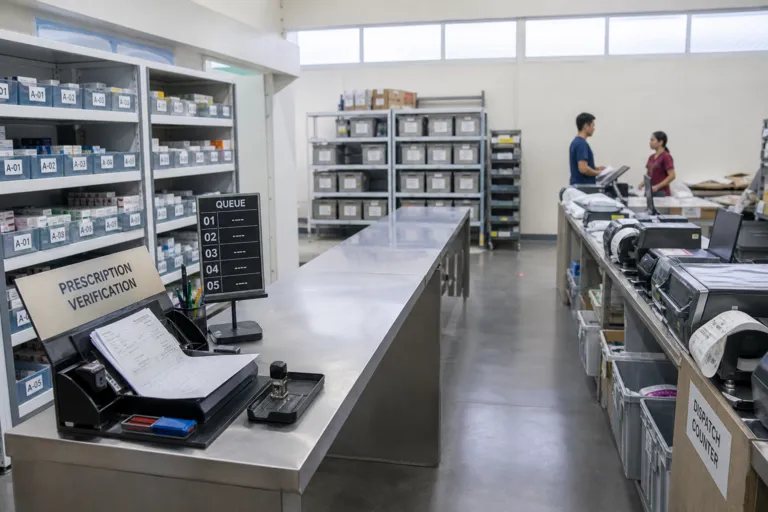
Competition is also changing in ways that make electronic prescriptions more central to pharmacy care. Ken Research notes operators are expected to compete through inventory availability, prescription verification, pharmacist engagement, delivery reliability, and employer or insurer integration rather than discounts alone. That framing aligns with the day-to-day value of e-prescribing: it supports faster communication and cleaner workflows between providers and pharmacies, and it can make verification more consistent at scale. Global context also points in the same direction. Market Research Future states that integrating electronic prescriptions can enhance the efficiency of medication management, reduce errors, and streamline communication between healthcare providers and pharmacies.
At the same time, access gaps keep the mission grounded beyond major cities. A Market Data Forecast report cites the Philippine Institute for Development Studies finding that over 60% of households in underserved regions procure medications from sari-sari stores or unlicensed vendors due to proximity and trust. Logistics innovation is being tested as well: the same report says the Department of Health piloted a drone delivery program in Palawan in 2023, reducing medicine delivery time from three days to under four hours. For E-Prescribing Systems Philippines initiatives, these realities highlight two priorities at once: strengthen verified, licensed dispensing workflows while pairing digital prescriptions with fulfillment models that can reach remote communities.
How are e-prescribing systems in the Philippines connected to online pharmacy growth?
What market signals show prescription fulfillment is becoming more important?
Why does Metro Manila matter in this shift in pharmacy care?
What access challenge could e-prescribing and e-pharmacy still need to address?
What example shows how delivery innovations could support digital prescribing workflows?