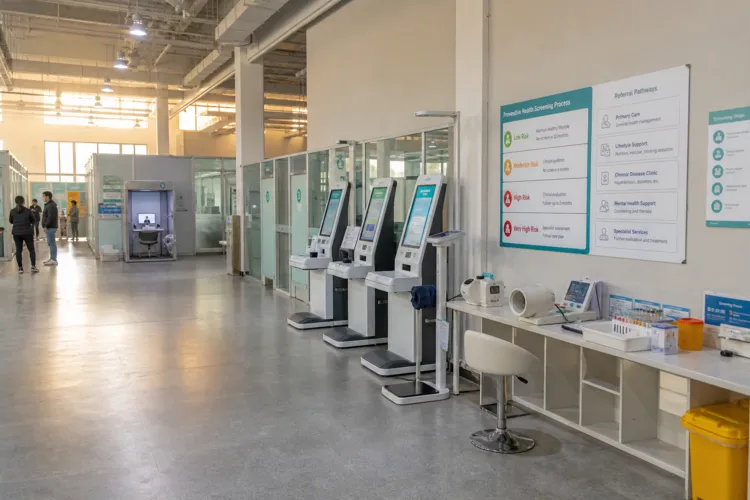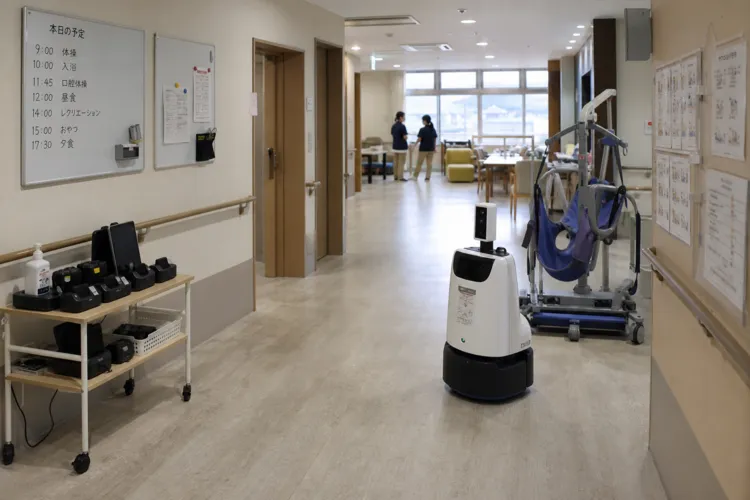

Hong Kong’s Hospital Authority (HA) is building a Technology Convergence Hub designed to accelerate the adoption of new medical technologies, drugs, and equipment in the city’s public hospitals. Positioned as a bridge between frontline clinical needs and external partners, the hub is intended to help innovations move from development into patient care. This approach aligns with Hong Kong’s first Five-Year Plan for Economic and Social Development 2026-2030, which commits the HA to digital transformation across five areas: smart care, smart hospital management, smart hospital support, smart staff, and smart facilities and infrastructure. The plan also targets expanded use of AI in cancer care for diagnosis and laboratory testing, alongside increased imaging and radiotherapy capacity.
One reason the model can move quickly is that it builds on an established digital foundation. Hong Kong’s eHealth platform already covers 87% of the population, which the source describes as more than 6.5 million people. The government also plans to develop eHealth+ into a citywide digital health network linked to the Guangdong-Hong Kong-Macao Greater Bay Area. More than 44,000 residents have used the platform to enable cross-boundary sharing of medical records. On the private-sector side, monthly deposits of electronic health records by private healthcare providers rose more than 110% over the past year to about 1.45 million, supporting a broader push to increase record availability where care is delivered.
What Faster Adoption Looks Like in Practice
The practical direction is clear: reduce friction between innovation and deployment, and strengthen the pathways that make new tools usable in real clinical workflows. Policy statements referenced in the sources say the government will further facilitate the deposit of electronic health records by private healthcare providers, expand cross-boundary sharing of medical records, and enhance nine core functions, including eMedication and eMedical Certificate. In parallel, Hong Kong is restructuring healthcare system roles across the HA, the Department of Health, and the Primary Healthcare Commission, with a stated goal of establishing a model that emphasizes prevention and integrates prevention with treatment. Together, these elements create conditions in which new digital tools, medicines, and devices can be integrated more smoothly once they are ready.
Capacity and infrastructure projects also form part of the broader adoption environment. The New Acute Hospital at Kai Tak is scheduled to be completed by 2026 and is described as having 2,400 hospital beds and 37 operating theatres. Separately, the Hong Kong government has committed to increasing rehabilitation service centers and elderly day care from 37,300 to 39,900 by 2029. Technology support mechanisms exist as well: an Innovation and Technology Investment Fund launched in 2019 has an objective to subsidize the procurement of gerontology-related technology and equipment. These specifics matter because innovation adoption is not only about approvals; it also depends on where and how new technologies can be implemented at scale.
Regulatory and cross-border measures cited in the sources add additional momentum. A South China Morning Post report says the Hospital Authority is setting up an Office for Introducing Innovative Drugs and Medical Devices to allow local patients to gain faster access to new treatments. The same report notes that in 2021, Hong Kong and health authorities in Guangdong province introduced a measure allowing Hong Kong-registered drugs and medical devices used in the city’s public hospitals to also be administered in the bay area development zone. Taken together, the convergence hub concept, the clinical-to-partner connection model, and these complementary initiatives outline how the Hospital Innovation Hub Hong Kong topic is evolving into a coordinated effort to shorten the distance between invention, validation, and real-world patient access.
What is Hong Kong’s Hospital Authority building to speed up adoption of new medical innovations?
How widely used is eHealth in Hong Kong today?
What change was reported in private-provider electronic health record deposits?
How does the Hospital Innovation Hub Hong Kong effort relate to cross-boundary care in the Greater Bay Area?
Which concrete hospital and elder-care capacity commitments support faster technology rollout?