
Japan’s push on dementia support is being shaped by visible safety risks and a rapidly ageing population. Police data shows that more than 18,000 older people living with dementia went missing in Japan in 2023, and almost 500 were later found dead. Police also say such cases have doubled since 2012. At the same time, elderly people aged 65 and over now make up nearly 30% of Japan’s population, according to the World Bank. This mix of risk and scale is driving Dementia Care Technology Japan efforts that connect families, clinicians, municipalities, and everyday community touchpoints.
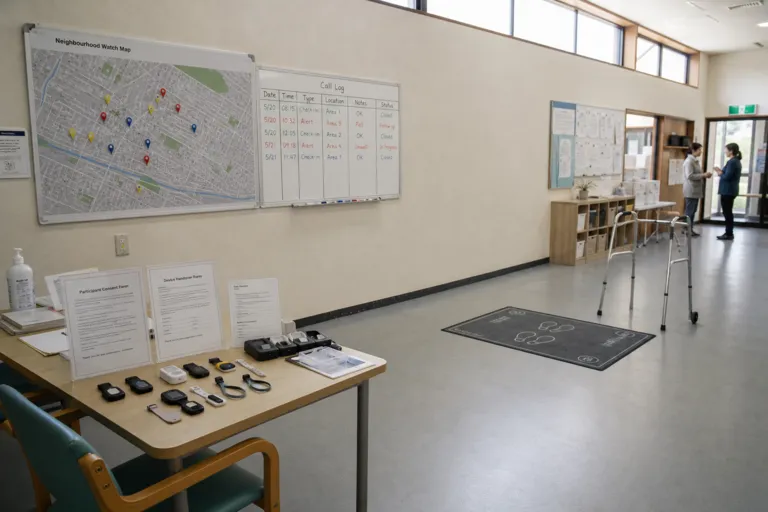
Japan’s most recent strategy signals a stronger pivot toward tools that can prevent emergencies and shorten search times. Across the country, people are adopting GPS-based systems to keep track of those who go missing. Some regions offer wearable GPS tags that can alert authorities the moment a person leaves a designated area. In some towns, convenience-store workers receive real-time notifications, creating a community safety net that can locate a missing person within hours. These approaches respond to the reality that the crisis is compounded by a shrinking workforce and tight limits on foreign workers coming in to provide care.
Community Detection Moves Upstream: From Search to Earlier Signs
Beyond locating people who wander, Japan is also investing in earlier detection signals that can surface during routine life and check-ups. Fujitsu and Acer Medical’s aiGait uses AI to analyse posture and walking patterns, looking for early signs such as shuffling while walking, slower turns, or difficulty standing, and generating skeletal outlines clinicians can review during routine check-ups. Fujitsu spokesperson Hidenori Fujiwara says motion-capture data can help doctors intervene earlier and help people remain active for longer. This points to a model where detection is not limited to specialist settings, but can be supported by practical data collection and review.
Government direction and market activity also show growing emphasis on community-based care backed by assistive tools. A market report notes that in September 2025, Japan’s Ministry of Health, Labour and Welfare expanded nationwide dementia support initiatives by increasing funding for community-based dementia care and promoting adoption of assistive technologies, including GPS tracking devices and digital memory support tools to help older adults live independently. Examples cited include GPS smart soles, reminder alarms, and memory phones. Separately, a global dementia GPS tracker market report says Japan’s 2023 Basic Act on Dementia Policy mandated inclusion of location tracking support as a core component of community dementia care plans, with national subsidies covering up to 70% of device and subscription costs for qualifying patients.
Care delivery technology is also widening into robotics and monitoring, with a focus on supplementing human labor rather than replacing it. Researchers at Waseda University are developing AIREC, a 150kg humanoid robot designed as a “future” caregiver that can help a person put on socks, scramble eggs, and fold laundry, and researchers hope it will eventually change adult nappies and prevent bedsores. Assistant Professor Tamon Miyake says the level of precision and intelligence required will take at last five years before such robots are safely able to interact with humans. Meanwhile, similar robots are already being used in care homes to play music, guide simple stretching, and monitor patients at night via systems placed under mattresses to track sleep and conditions, reducing the need for human rounds.
What is driving dementia-related safety technology adoption in Japan?
How are communities helping locate missing people living with dementia in Japan?
How does Japan’s dementia tech strategy support earlier detection?
What policy support exists for location tracking in community dementia care plans?
How is Dementia Care Technology in Japan moving toward community-based detection?