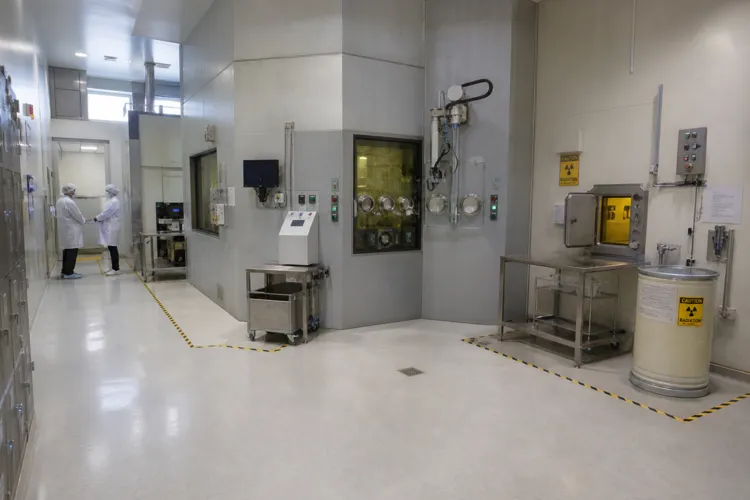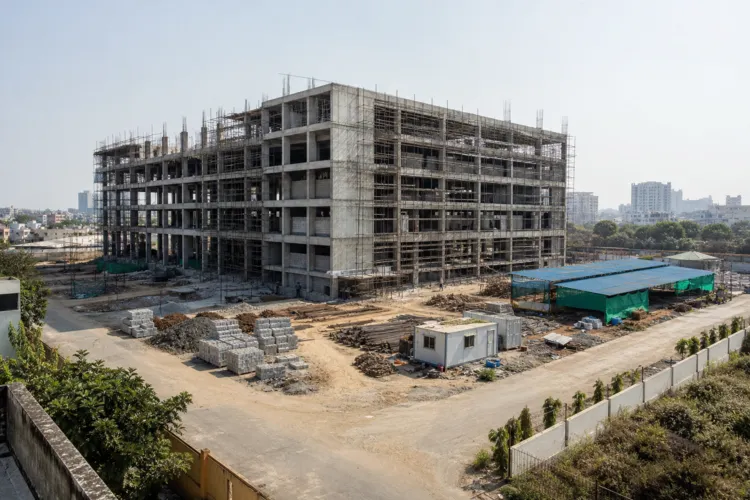

Cell therapy is entering a phase where industrial-scale manufacturing and commercial rollout are becoming central priorities. A Frost & Sullivan analysis frames the field as moving toward a full-spectrum industrial paradigm that spans discovery, manufacturing, and registration, supported by an increasingly mature global regulatory framework. In China, that inflection is described as especially pronounced, with policy incentives, capital commitment, and unmet clinical need aligning to enable the commercial debut of the nation’s inaugural stem cell therapeutics. The same source says this debut is catalyzing vertical integration across upstream and downstream operations, pushing the sector toward standardization and scalable delivery. In this context, Cell Therapy Commercialization China is increasingly about execution across the full chain, not only scientific progress.
A clear example of China’s approval-to-scale shift is Amimestrocel (Amimestrocel Injection). Frost & Sullivan reports that it filed an Investigational New Drug application under the pharmaceutical pathway as early as 2013, at a time when the regulatory landscape was “largely uncharted.” By 2020, its Phase II trial had produced “encouraging efficacy signals.” The Phase III study was completed in 2024, and the therapy achieved a favorable efficacy and tolerability profile in steroid-refractory acute gastrointestinal graft-versus-host disease, with a primary endpoint Day 28 overall response rate of 63.0%. The same source links this progress to manufacturing innovation, including scalable 3D microcarrier-based culture systems designed to address bottlenecks in throughput, cost-efficiency, and quality assurance.
From Regulatory Reform to Manufacturing Readiness
Commercial scale depends on regulatory throughput and operational readiness moving together. A MarketsandMarkets report on cell therapy technologies in China states that government support and regulatory reforms have accelerated clinical trial approvals and commercialization timelines for cell therapies. It also notes that China has emerged as a global leader in cell therapy commercialization, with numerous domestic manufacturers scaling production capabilities. Grand View Research similarly points to increasing clinical trials and approvals as factors anticipated to fuel competition in China’s cell therapy market. As one concrete example of trial activity, Grand View Research cites that in August 2023, China’s National Medical Products Administration (NMPA) approved an IND application for OriCAR-017 from Oricell Therapeutics.
Scale-up also reshapes what the supply chain must deliver. IndexBox describes demand drivers for China’s cell therapy supplements market that include an increasing number of late-stage or commercial cell therapy approvals, scale-up from clinical to commercial batch sizes, and adoption of automated, closed-system manufacturing. It also highlights a shift from autologous to allogeneic platforms, which changes inputs from flexible, small-batch reagents to standardized, high-volume, GMP-critical consumables. The same analysis notes a regulatory push for xeno-free, chemically defined formulations. In China specifically, IndexBox says the outlook hinges on the success of the domestic pipeline; a scenario with multiple domestic commercial approvals would accelerate local commercial-scale manufacturing capacity and foster a robust ecosystem of local supplement suppliers that achieve international quality standards.
However, not every cell therapy category shows the same commercial readiness. A separate MarketsandMarkets report states that China’s CAR T-cell therapy market has a verified market size of $0 million in 2026, indicating no commercial market presence or patient access, and projects it to remain at $0 million through 2031. The report attributes this to gaps in regulatory approval pathways, manufacturing infrastructure, clinical expertise, and reimbursement systems required to commercialize CAR T-cell therapies. Read together with China’s stem cell commercialization milestones and the broader technology-scale narrative, the picture is uneven: certain products and manufacturing platforms are advancing into commercial delivery, while other segments remain constrained by foundational commercialization requirements.
What signals that cell therapy in China is moving from approval to scale?
What clinical result is reported for Amimestrocel’s Phase III study?
How are regulatory reforms affecting cell therapy commercialization timelines in China?
How does cell therapy commercialization in China affect manufacturing inputs and supplements?
What does the CAR T-cell therapy market status indicate for commercialization in China?