Bangladesh has built a strong base in generic medicines and is now using that platform to climb toward higher-value products. As of 2026, the country’s pharmaceutical industry meets approximately 98% of national medicine demand, reflecting near-total self-sufficiency. One source values the domestic market at approximately USD 6 billion, while another cites a market of about USD 3.5 billion, showing that market sizing varies by reference and method. For exporters, the headline is reach: a Bangladesh-focused export dynamics study reports that pharmaceutical exports reached 87 countries in 2011 and expanded to 157 destinations by 2022, signaling broader acceptance of Bangladeshi generics across markets.
This expansion also comes with a strategic pivot in what gets exported. For decades, manufacturers built reputations on affordable, low-cost generics, supported by cost leadership and skilled labor. Now, firms are increasingly targeting complex medicines that require more advanced research, sophisticated manufacturing, and tighter regulatory discipline. The Daily Star reports that drugmakers are trying to replicate earlier wins with a new generation of high-value medicines, including biologics, immunotherapies, and treatments for rare diseases. In this context, the Pharmaceutical Export Industry Bangladesh is less about shipping more of the same products and more about moving up the value chain through portfolio complexity.
Why Higher-Value Generics Matter Now
Policy timing is a major driver behind the move toward higher-value generics and capabilities. Export dynamics research notes that Bangladesh benefited from TRIPS waiver advantages, but also flags that the end of this flexibility raises production costs due to patents and royalties on patented drugs. BDPolicyLab adds a specific timeline risk: the WTO LDC pharmaceutical waiver runs to end-2033 for countries that remain LDCs, but Bangladesh forfeits it at graduation on November 24, 2026. BDPolicyLab also cites that about 20% of drugs made in Bangladesh are patented rather than generic, and those molecules would require patent clearance, licensing, or compulsory licensing after graduation. That reality increases the incentive to invest in R&D readiness, compliance systems, and more defensible product categories.
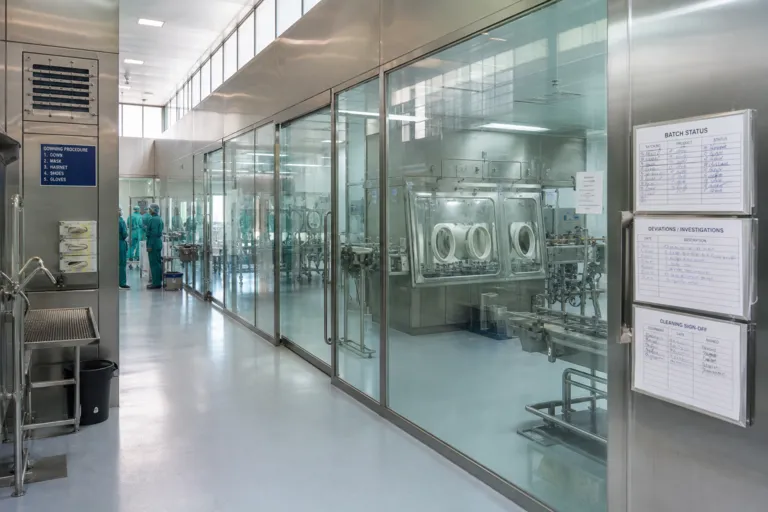
Company behavior described in industry commentary aligns with this policy pressure. A Bangladesh industry update frames a sector shift from “generics only” toward complex generics, specialty injectables, and sterile manufacturing, arguing that product mix can move exporters away from “price-only” competition and toward “capability-based” competition. The same update highlights Square Pharmaceuticals as a case study of export diversification through compliance investment—presented as a broader pattern: build compliance capability, diversify markets, and push higher-value portfolios. The export dynamics research also reports 15% annual export growth, reinforcing that export momentum exists, but the next stage depends on deeper technical and regulatory execution rather than volume alone.
Examples of “higher-value” direction are already visible in product actions cited by local reporting. The Daily Star describes a case in cystic fibrosis where Beximco Pharmaceuticals reverse-engineered Vertex Pharmaceuticals’ Trikafta (marketed as Kaftrio in some countries) and launched a generic version in Bangladesh under the brand name Triko. Separately, Bangladesh’s earlier use of the TRIPS waiver to produce a generic version of sofosbuvir is highlighted as a model of how local manufacturers could sharply reduce prices relative to the US market reference point of about USD 1,000 per tablet for the branded product. Together, these signals point to a pragmatic strategy: keep leveraging generic strengths, but invest in the scientific, compliance, and manufacturing capabilities needed for complex therapies and more demanding export markets.
How far has Bangladesh expanded its pharma export destinations?
When does Bangladesh lose access to the WTO LDC pharmaceutical waiver?
What share of medicines made in Bangladesh are patented versus generic?
What kinds of higher-value products are Bangladeshi drugmakers pursuing?
What is changing in Bangladesh’s pharmaceutical export industry as it moves toward higher-value generics?