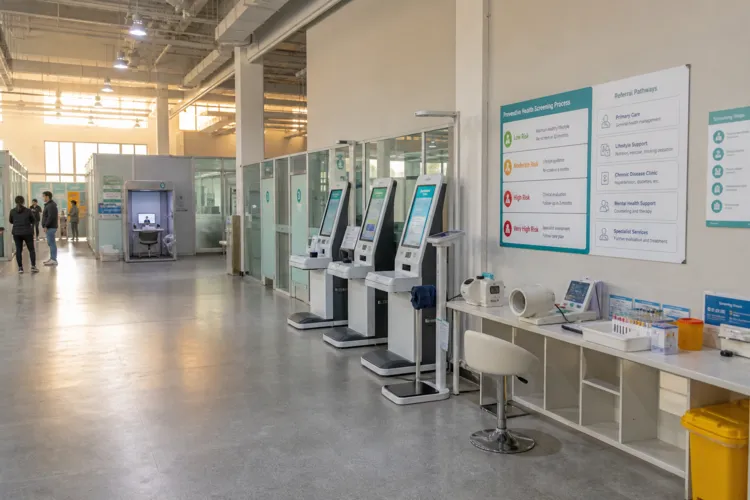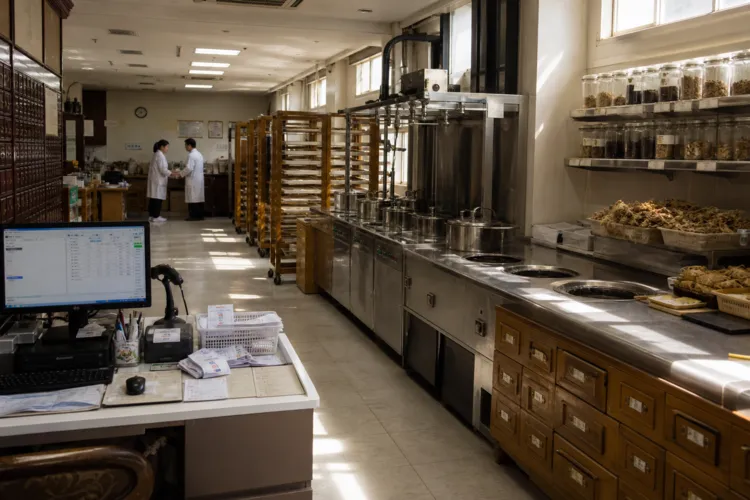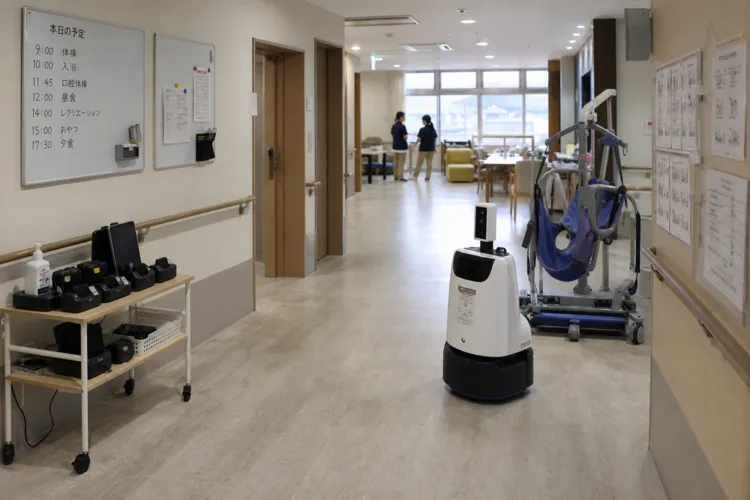
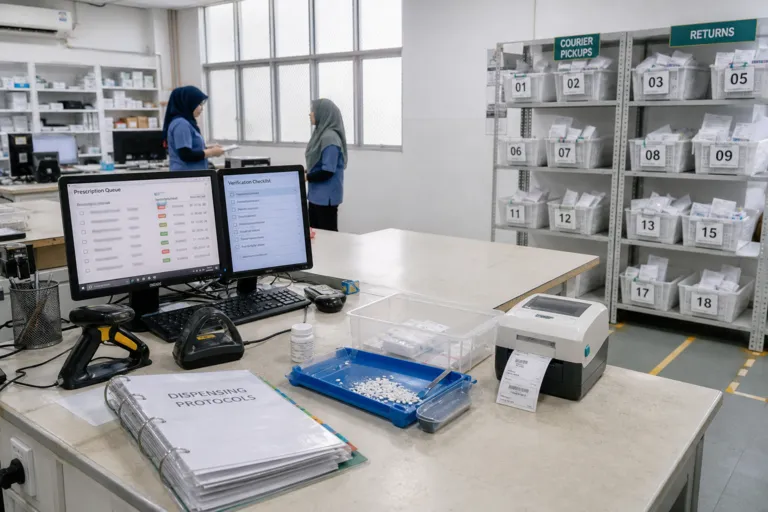
Indonesia’s archipelago geography makes medication access uneven. The country spans over 6,000 inhabited islands, and many rural communities face shortages in facilities and professionals. One indicator is physician availability: Indonesia has 0.4 physicians per 1,000 people, which is below the global average of 1.6. In this context, Digital Pharmacy Platforms Indonesia consumers use are not just an e-commerce add-on. They are a practical channel that can bridge distance and time, especially when traditional pharmacies face stock shortages, restricted hours, and sparse rural locations.
Digital readiness is accelerating the shift. Internet penetration in Indonesia reached 79.5% in 2024, and this has helped drive uptake of telehealth, which has 30–35 million active users. As more care journeys start online, e-prescriptions, delivery options, and loyalty-linked apps become a direct path from consultation to fulfillment. This matters in a retail market that is still highly fragmented, where modern chains account for only a small share of outlets. The result is a stronger role for digital fulfillment models that can connect consultations, product availability, and delivery workflows.
What Redefines Medication Access: Trust, Verification, and Integration
Medication access is also being redefined by governance and safety expectations. Public health agencies and pharmacy regulators emphasize that digital access must be paired with licensed dispensing, prescription verification, pharmacovigilance, and patient privacy safeguards. Competitive online pharmacy models increasingly go beyond mail-order refills by integrating medication management, automated refill reminders, price transparency, and omnichannel pickup or delivery. Search visibility and consumer choice also tilt toward trust signals such as accreditation, verified pharmacist access, transparent licensing, and secure payment, shaping how patients decide where to buy and refill medicines.
Global and regional context shows how quickly digital pharmacy can scale when conditions align. Globally, digital platforms account for 9.6% of total pharmaceutical retail sales, up from 3.1% in 2019, which reflects a threefold expansion in five years. Governments across over 40 nations have enacted policies allowing direct-to-patient digital medicine delivery. In the United States, by 2024, approximately 55% of prescriptions were digitally ordered, and over 130 million Americans purchased medications via online pharmacy platforms. These figures are not Indonesia-specific, but they frame why investors and operators watch adoption curves closely.
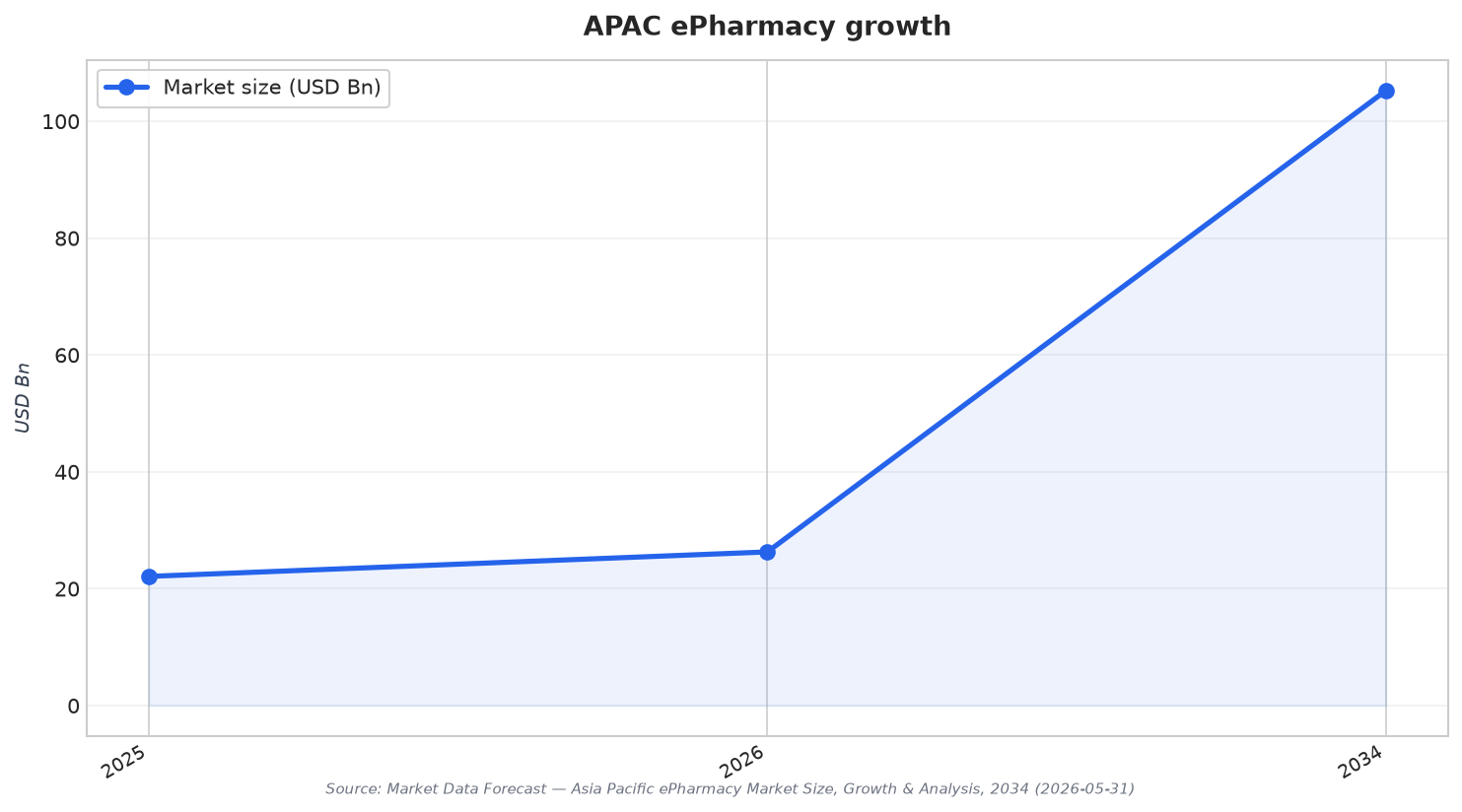
In Asia Pacific, the ePharmacy market was valued at USD 22.11 billion in 2025, estimated at USD 26.30 billion in 2026, and projected to reach USD 105.25 billion by 2034, with a CAGR of 18.93% (2026–2034). The same regional view notes internet penetration exceeding 60% across Asia Pacific by 2023, supporting digital health solutions. For Indonesia, the opportunity sits alongside local constraints, including regulation that stipulates BPJS-covered prescriptions cannot be dispensed at private pharmacies and must be obtained at designated public health facilities. That makes the next phase less about hype and more about compliant models that expand access while respecting dispensing rules.
Why do digital pharmacy platforms matter in Indonesia’s healthcare landscape?
What local indicators show Indonesia is ready for more online medication access?
What safeguards do regulators emphasize for online medicine delivery?
How big is the Asia Pacific ePharmacy market in the sources?
How are Digital Pharmacy Platforms Indonesia consumers use affected by BPJS rules?