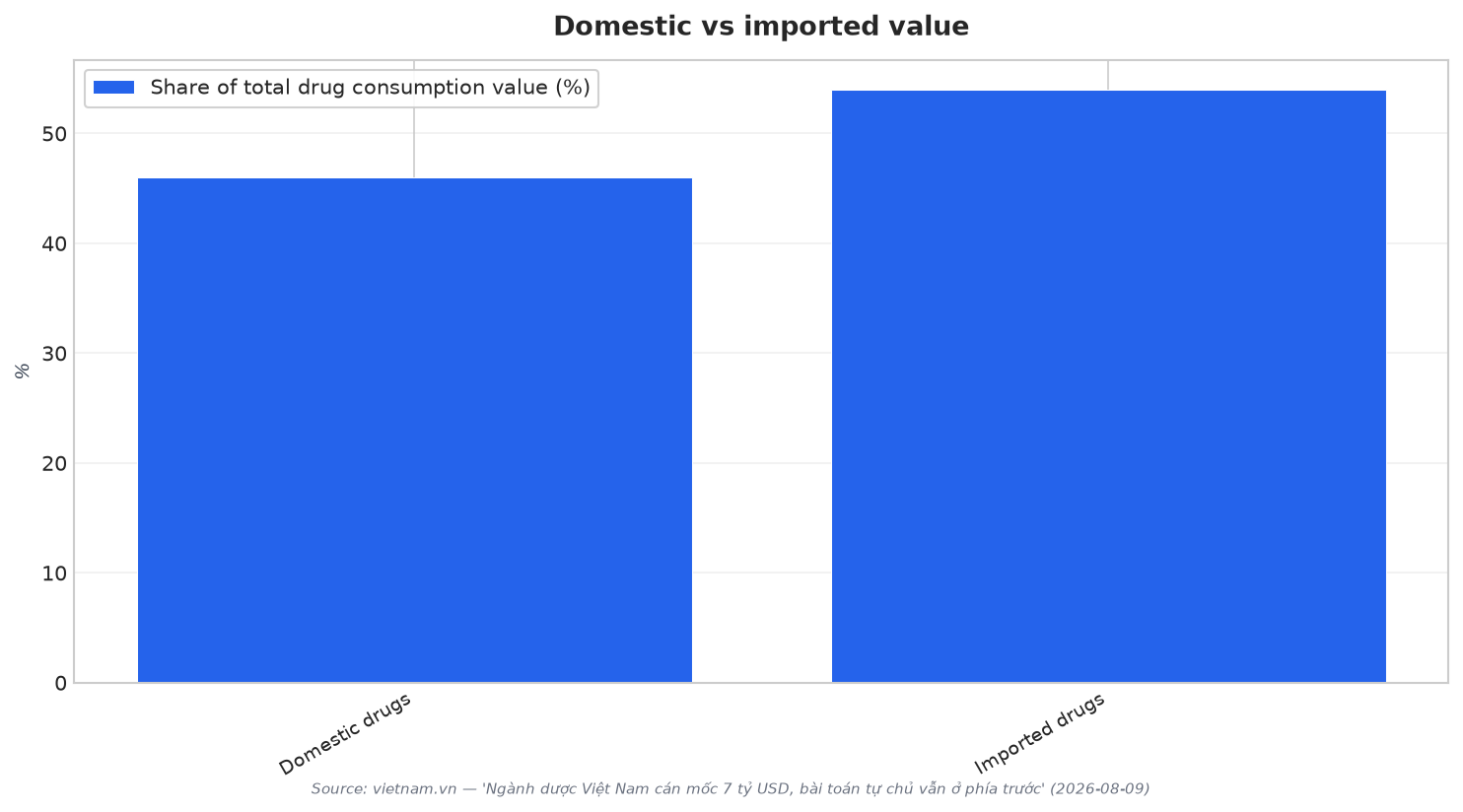
Vietnam’s pharmaceutical industry has moved into a new phase after three decades of development. The market is now about $7 billion, and one source notes growth projections of 10-15% annually. At the same time, self-sufficiency remains a core challenge. Minister of Health Dao Hong Lan said domestically produced drugs meet about 60% of demand and represent about 46% of the total value of drug consumption. Those figures show progress, but also imply continued reliance on non-domestic sources for a sizable portion of the medicines Vietnamese patients use.
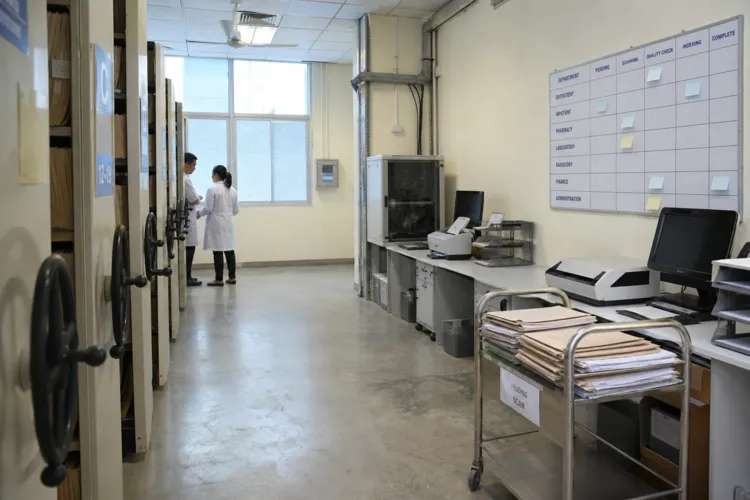
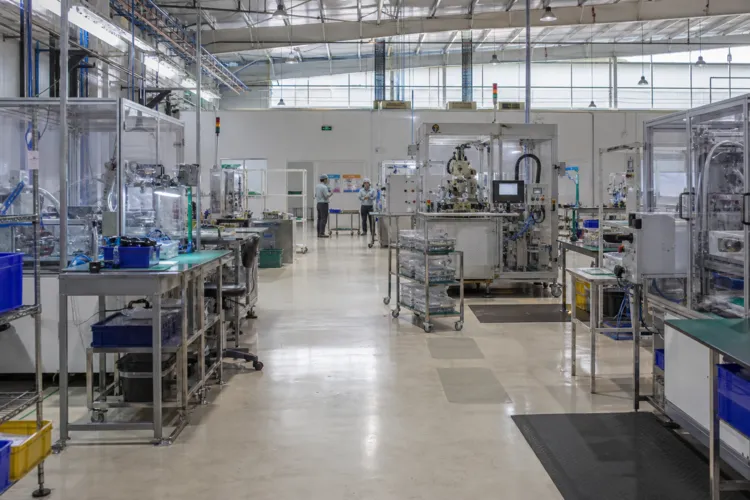
Manufacturing capacity and quality benchmarks are central to the current investment story. Vietnam has 245 pharmaceutical manufacturing facilities that meet GMP standards, and 26 factories meet EU-GMP standards or equivalent. In parallel, good manufacturing, testing, storage, and distribution practices are being implemented more widely to help control quality across the full chain, from factory to end user. This is where pharmaceutical manufacturing investment in Vietnam becomes concrete: companies are described as investing in technological innovation, improving production capacity, and mastering multiple dosage forms, including specialized and high-tech drugs, with an eye toward markets that set stringent requirements.
Regulatory Reform and Hospital Demand Shape the Next Wave
Demand dynamics also steer where capital and capability go. An SHS industry report says Vietnam’s ethical drugs (ETC) or hospital channel accounts for roughly 70% to 76% of total consumption. The same report puts annual growth for the hospital segment at around 12%, compared with 8% for the OTC retail pharmacy market. Insurance coverage is a key part of that pattern, with Vietnam’s universal healthcare program covering about 95.2% of the population. In this context, procurement and registration rules matter for investors because they influence which plants and products can compete most effectively in the hospital channel.
Policy changes are also intended to reduce friction and reward higher standards. The amended Law on Pharmacy took effect on July 1, 2025, and is described as streamlining drug registration procedures while providing incentives for domestic manufacturers producing advanced generics and biosimilars. Separately, Vietnam News quoted DAV Director Vu Tuan Cuong saying the Ministry of Health reduced administrative procedures in the pharmaceutical and cosmetics sectors from 124 to 75 last year, nearly a 40% decrease. Procurement rules are also evolving: under Circular 03/2024, medicines made in facilities certified under EU-GMP or Japan-GMP standards are granted preferential access to Group 1 and Group 2.
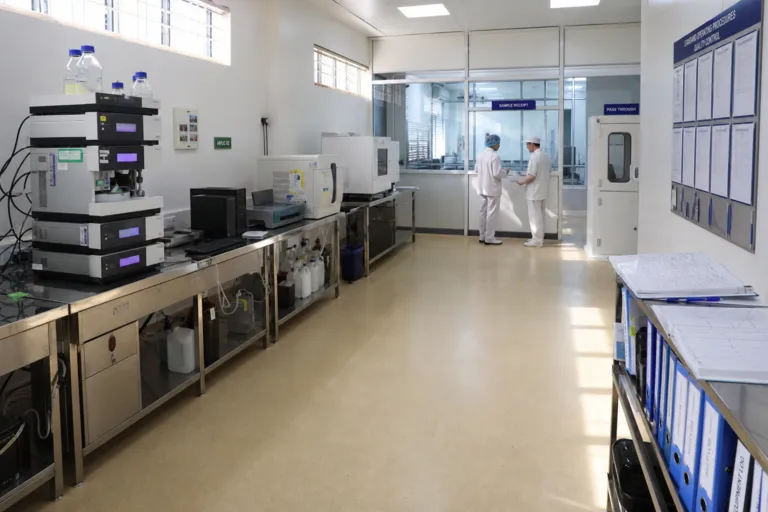
Quality surveillance and data systems support the push toward self-sufficiency. One indicator cited for quality control capacity is that the testing system collects about 30,000-40,000 samples of drugs circulating in the market each year for monitoring. In 2025 alone, 943 batches of vaccines and medical biological products were reviewed before release to the market. A separate update on data-led management says the national pharmaceutical database, once completed and connected from pharmacies and manufacturing facilities to distribution, will enable tracking of drug circulation. Together, these efforts frame Pharmaceutical Manufacturing Investment Vietnam as more than new plants; it is also investment in compliance, traceability, and credible oversight as the market expands.
How much of Vietnam’s medicine demand is met by domestic production today?
How large is Vietnam’s current pharmaceutical market, and what growth is projected?
What does manufacturing capacity look like in Vietnam in terms of GMP sites?
How does Pharmaceutical Manufacturing Investment Vietnam connect to hospital demand?
What recent reforms aim to make investment and compliance easier for pharma companies?